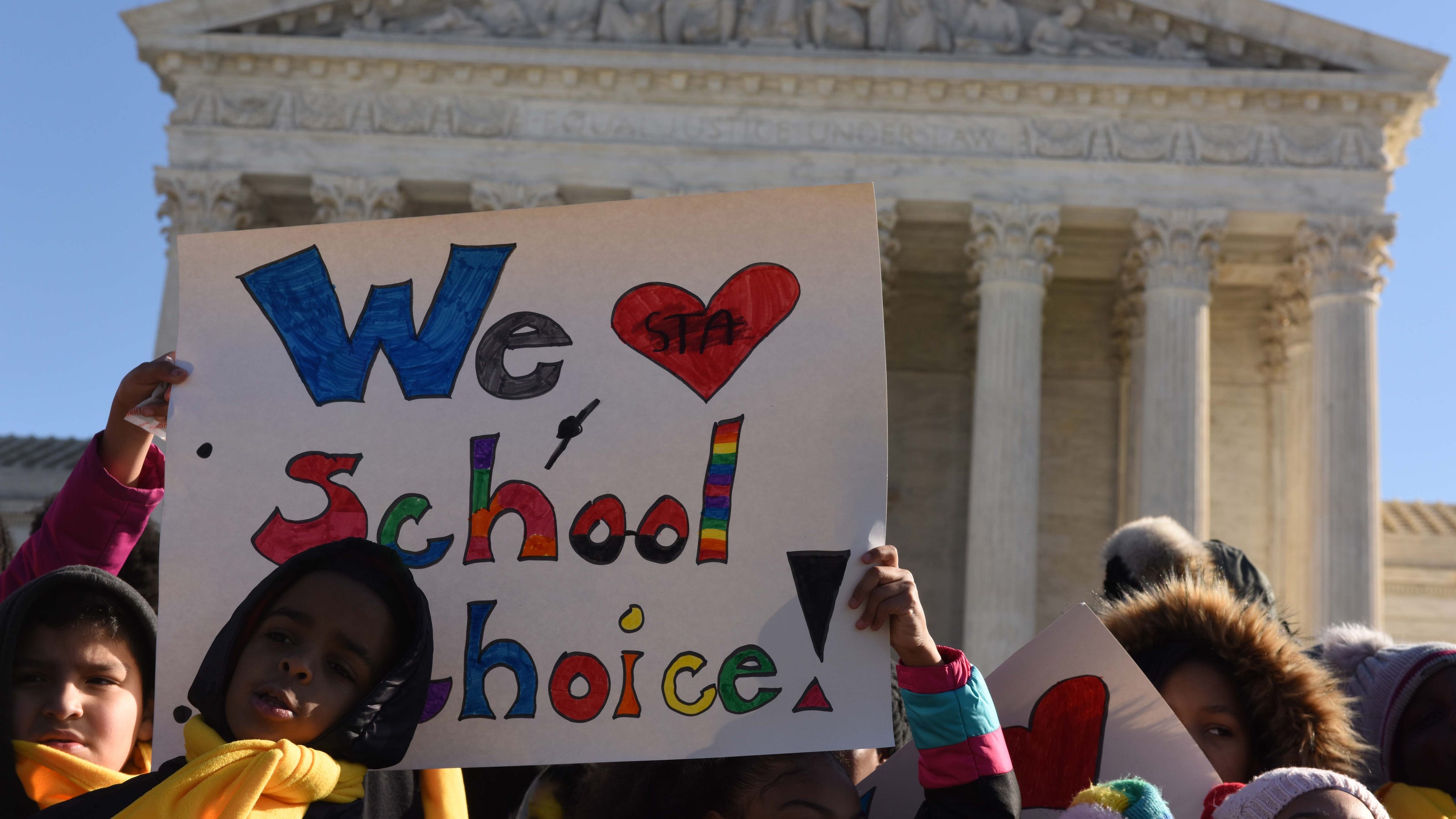
School Choice, the current state and how is affects you.
 Daniel Pierson
Contributor
Daniel Pierson
Contributor
School Choice Takes Root Across South-Central Indiana
In Monroe, Lawrence, Greene, Martin, Jackson, Washington, Brown, and Orange counties, families increasingly look beyond the traditional public school assigned by zip code. Indiana’s Choice Scholarship Program (vouchers) and public charter schools give parents real options—tuition support for private schools and tuition-free independent public schools with distinct missions. What began as a targeted effort under Governor Mitch Daniels in 2011 has expanded into near-universal eligibility, with the final income caps scheduled to lift fully for the 2026-27 school year.
The result is a modest but meaningful shift in a region that is largely rural and small-town. Charters remain scarce outside Monroe and Lawrence counties—rural enrollment challenges and geography limit new brick-and-mortar openings—but voucher use has grown steadily, and the schools that do exist stand out for both performance and specialized focus.
Standout Performers and Specialized Missions
Monroe County hosts the region’s clearest success stories. Seven Oaks Classical School in Ellettsville serves roughly 500–600 students in grades K-12. It follows a rigorous classical model partnered with Hillsdale College: liberal arts and sciences, Latin, rhetoric, virtue-focused character education, and high expectations. Recent ILEARN data show math proficiency near 70 percent and reading in the high 50s to low 60s—well above state averages (roughly 40 percent range in recent years) and placing it among Indiana’s top-performing charters. It ranks in the top 10 percent statewide on multiple measures and has maintained strong “A” accountability ratings for years.
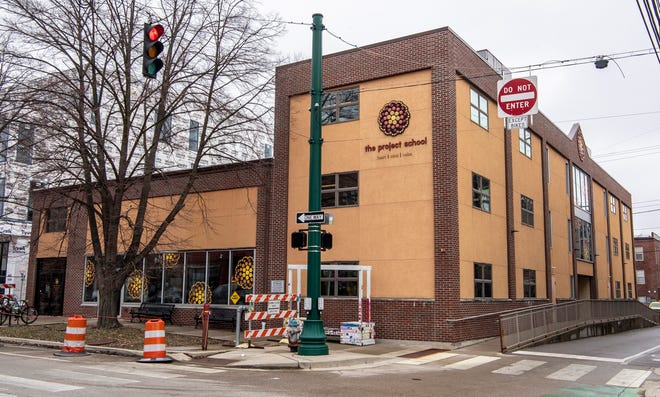
The Bloomington Project School (K-8, about 320 students) takes a different path: project- and activity-based learning, multi-age classrooms, and immersive arts. U.S. News rankings have placed it as the top charter school in Indiana in recent lists, with reading proficiency around 67 percent and solid math results. It consistently outperforms state charter averages and many traditional publics.
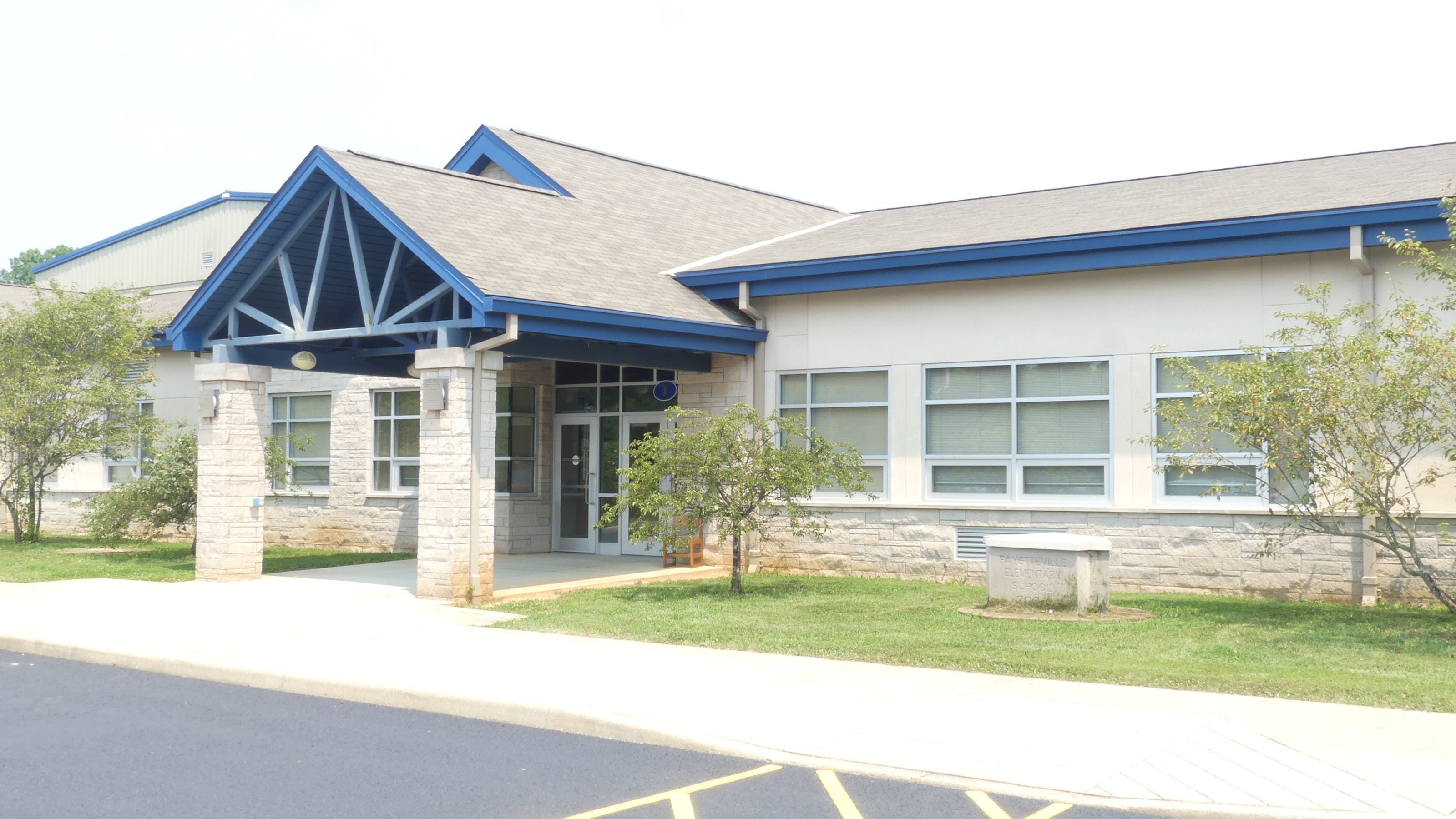
In Lawrence County, Lawrence County Independent Schools (LCIS) in Bedford is a newer K-8 charter founded by local parents and educators specifically to bring choice to a rural area. Enrollment sits around 200 students. Overall ILEARN proficiency remains lower (teens to mid-20s percent in recent data), reflecting its start-up phase and high percentage of economically disadvantaged students. Yet legacy students (those enrolled three or more years) show stronger growth, the school posted the highest IREAD-3 pass rate among nearby corporations in one recent cycle (over 93 percent), and authorizer reviews note instructional improvement and solid internal growth metrics. Its focus is hands-on learning, science and sustainability projects, outdoor education, and a small, relationship-driven rural environment.
Beyond these, voucher-participating private schools fill many gaps. In Monroe County alone, voucher enrollment roughly doubled between 2021 and 2024. St. Charles Borromeo Catholic School, Clear Creek Christian, Lighthouse Christian Academy, Covenant Christian, and Adventist Christian Academy have all seen sharp increases in Choice Scholarship students. Similar patterns appear with Catholic and Lutheran schools in Jackson County (Seymour area) and nearby options serving Washington and other counties. Faith-based schools often emphasize character formation, classical or traditional academics, and smaller class sizes.
Specialized focuses across the choice sector include classical liberal arts (Seven Oaks), project-based and arts-integrated learning (Project School), hands-on rural and sustainability education (LCIS), and the religious and values-centered approaches common among voucher schools. Virtual and hybrid options (statewide charters or online programs) extend reach into Greene, Martin, Brown, and Orange counties where physical schools are fewer.
Why These Options Matter
Parents in these counties face real constraints: limited course offerings in smaller districts, long bus rides, or curricula that do not match a child’s learning style or a family’s values. Choice lets families match the school to the student rather than the reverse. Competition also pressures traditional public schools to improve or risk enrollment loss—the money follows the child under Indiana’s funding model. Studies of the Choice Scholarship Program have generally found no negative academic effects on students who remain in traditional public schools, and some subgroups (including high-poverty schools early on) showed modest benefits.
Historically, Indiana’s charters (authorized since the early 2000s) and the 2011 voucher program have expanded steadily. Early research on voucher switchers sometimes showed short-term dips in math scores; longer-term attainment data (college enrollment) has looked more favorable for participants. Post-COVID analyses find Indiana charter students, on average, showing stronger achievement growth than similar traditional public school peers, especially among Black, Hispanic, low-income, and previously lower-performing students.
The Opposition from Inside the System
Many people employed by traditional public schools and education agencies oppose expanding choice. Teachers’ unions (Indiana State Teachers Association and national affiliates) and some district leaders argue that vouchers and charters divert scarce dollars from the public system that educates the large majority of students. They raise concerns about accountability, selective enrollment practices at some private schools, and the risk that rural districts already stretched thin will lose even more students and revenue. Public school boards across Indiana have passed resolutions against further expansion, citing budget pressure and teacher pay.
These concerns are understandable from the perspective of institutions that have long operated as the default—and in many places the only—option. Funding formulas that send money with the student create real fiscal pressure when families leave. Unions naturally protect the jobs, contracts, and influence of their members. Some critics also prefer a more uniform, government-directed system over one that allows diverse curricula and private religious schools to receive public support.
Yet the data do not support claims of systemic collapse. Public enrollment has not cratered statewide, remaining students’ test scores have not declined because of choice, and parental demand continues to rise. In a free society that values family responsibility and limited government, the default should favor parents deciding what is best for their own children rather than protecting any particular institutional arrangement. Moral politeness requires acknowledging the legitimate worries of public educators while insisting that children are not the property of the system.
South-central Indiana still has fewer choice options than Indianapolis or northern urban counties. That scarcity makes the high-performing examples in Monroe County and the parent-driven effort in Lawrence County all the more valuable. As eligibility becomes fully universal and families gain experience shopping for schools, expect continued growth in voucher use and pressure for additional specialized charters. For parents in these eight counties, the expanding menu of classical rigor, project-based creativity, hands-on rural learning, and faith-based formation is not an attack on public education—it is simply more tools for raising the next generation well.
Thoughts · 1